Challenges · Seasons
🍂 Fall
Challenges most likely to hit in fall.
#Social
 #Social
#Social
#Social
#Social
#Social
#Social
#Social
#Social
#Nature
#Social
#Social
#Social
#Social
#Social
#Social
#Social
#Social
#Social
#Nature
 #Nature
#Nature
#Nature
#Nature
#Nature
#Nature
#Nature
#Nature
#Digital
#Nature
#Nature
#Nature
#Nature
#Nature
#Nature
#Nature
#Nature
#Nature
#Digital
 #Digital
#Digital
#Digital
#Digital
#Digital
#Digital
#Digital
#Digital
#Technology
#Digital
#Digital
#Digital
#Digital
#Digital
#Digital
#Digital
#Digital
#Digital
#Technology
 #Technology
#Technology
#Technology
#Technology
#Technology
#Technology
#Technology
#Technology
#Digital
#Technology
#Technology
#Technology
#Technology
#Technology
#Technology
#Technology
#Technology
#Technology
#Digital
 #Digital
#Digital
#Digital
#Digital
#Digital
#Digital
#Digital
#Digital
#Technology
#Digital
#Digital
#Digital
#Digital
#Digital
#Digital
#Digital
#Digital
#Digital
#Technology
 #Technology
#Technology
#Technology
#Technology
#Technology
#Technology
#Technology
#Technology
#Social
#Technology
#Technology
#Technology
#Technology
#Technology
#Technology
#Technology
#Technology
#Technology
#Social
 #Social
#Social
#Social
#Social
#Social
#Social
#Social
#Social
#Social
#Social
#Social
#Social
#Social
#Social
#Social
#Social
#Social
#Social
#Social
 #Social
#Social
#Social
#Social
#Social
#Social
#Social
#Social
#Nature
#Social
#Social
#Social
#Social
#Social
#Social
#Social
#Social
#Social
#Nature
 #Nature
#Nature
#Nature
#Nature
#Nature
#Nature
#Nature
#Nature
#Nature
#Nature
#Nature
#Nature
#Nature
#Nature
#Nature
#Nature
#Nature
#Nature
#Nature
 #Nature
#Nature
#Nature
#Nature
#Nature
#Nature
#Nature
#Nature
#Nature
#Nature
#Nature
#Nature
#Nature
#Nature
#Nature
#Nature
#Nature
#Nature
#Nature
 #Nature
#Nature
#Nature
#Nature
#Nature
#Nature
#Nature
#Nature
#Technology
#Nature
#Nature
#Nature
#Nature
#Nature
#Nature
#Nature
#Nature
#Nature
#Technology
 #Technology
#Technology
#Technology
#Technology
#Technology
#Technology
#Technology
#Technology
#Technology
#Technology
#Technology
#Technology
#Technology
#Technology
#Technology
#Technology
#Technology
Agree on a family safe word
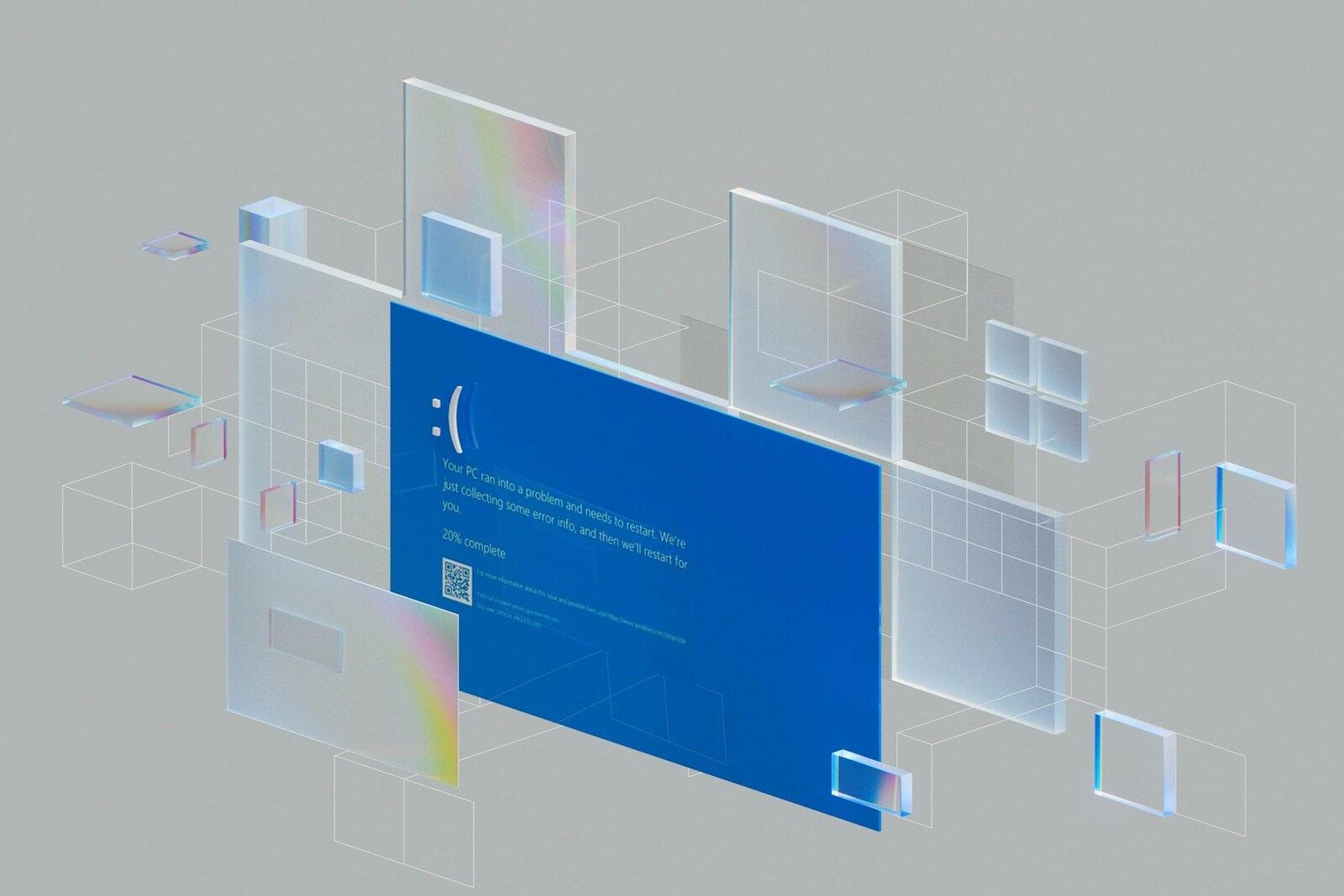
Assume any urgent voice message could be cloned
Deep fake video calls need the same scrutiny as cloned voices
Treat celebrity investment endorsement videos as fake by default
Don't trust caller ID — it can be spoofed completely
Don't trust a screenshot or document as proof — it can be faked as easily as a voice or video
Reverse-search a profile photo before trusting a new online contact
Warn elderly relatives specifically — they're the most targeted by AI voice scams
The bad grammar that used to give phishing away is gone
Watch for fake AI-run job interviews and recruiter chats
Build soil health before a bad season forces the issue
Grow at least one resilient backup crop
Keep a multi-season food reserve
Keep small livestock as a protein backup when crops fail
Learn to preserve food yourself, not just store what you buy
Look into crop or agricultural insurance before a bad season, not after
Save seed from a strong harvest instead of buying new every year
Secure a reliable water source for irrigation, not just for drinking
Grow or source from more than one place
Track what actually grows well where you live, not what you wish grew
Don't reuse your work password anywhere else
Keep one email address reserved only for your most critical accounts
Lock your screen every time you step away, even for a minute
Log out of accounts on shared or public devices
Never plug in a USB drive you found, even out of curiosity
Patch and update before you need to, not after a breach
Remove access the moment someone no longer needs it
Review app permissions periodically — camera, microphone, location — and revoke what's unused
Review your account recovery options before an old phone number locks you out
Turn on new sign-in alerts for your important accounts
Check periodically whether your accounts have been in a known breach
Keep your 2FA recovery codes somewhere that isn't your phone
Keep your router's firmware updated — it's the device most people forget
Review which third-party apps still have access to your main accounts
Segment your home network so IoT devices can't reach everything else
Turn on two-factor authentication everywhere it matters
Use a passkey or hardware key where it's offered
Use a password manager instead of memory or reuse
Switch to a privacy-respecting, encrypted DNS resolver
Use a VPN on public or untrusted Wi-Fi
Check what your smart home devices actually record and send
Check what your car's infotainment or telematics system collects and shares
Delete accounts you no longer use, don't just abandon them
Don't give out data you don't actually need to
Know what a company can legally do with your data before you agree
Read what an app actually does with your data before you install it
Request a copy of your data periodically to see what's actually held about you
Turn off ad personalization and data-sharing where the option exists
Use a separate email alias for signups so a breach doesn't expose your main address
Use a virtual or masked card number for one-off online purchases
Actually test restoring a backup, not just making one
Set your backup to run automatically — don't rely on remembering
Back up before the crash, not after
Follow the 3-2-1 backup rule, not just "a backup"
Keep a physical, offline list of what accounts exist — not just how to recover them
Keep a spare charger and cable you've actually tested
Keep a working spare device, not just a backup of your data
Keep at least one backup that isn't always connected — ransomware can't encrypt what it can't reach
Know how you'd do banking or 2FA from a borrowed device
Write down your recovery keys somewhere that isn't the device itself
Be wary of an online relationship that quickly asks for money
Be wary of job offers that ask you to pay before you start
Check the actual sender address, not just the display name
Hang up and call back on a number you already know, not one they give you
Hang up on unsolicited tech-support calls or pop-ups claiming infection
Never act on urgency alone — verify through a second channel
A real company will never ask you to pay in gift cards or crypto
If you're pressured to keep it secret, that's the scam
"I overpaid you by accident" is almost always a scam
Be wary of a friendly "wrong number" text that turns into a conversation
Audit what's publicly findable about you before someone else does
Check what your employer's public staff directory reveals about you
Check what your home looks like on street-view map services
Check what your metadata reveals before you post
Lock down who can see your friends/followers list, not just your posts
Opt out of data-broker sites that resell your address and phone number
Separate your public identity from your private one
Talk to family about what they post about you, not just your own accounts
Turn off live location tagging before you post, not after
Use a PO box or business address for public-facing registrations instead of your home address
Bring frost-sensitive potted plants inside before the first cold snap
Drain and store irrigation lines and hoses before the first freeze, not after they crack
Harvest what you can before the first freeze, don't gamble on extra days
Insulate outdoor water lines before the first hard freeze
Keep frost cloth or row covers on hand before you need them, not on the day of the forecast
Know which crops actually survive a light frost before you panic-harvest
Know your area's average first-frost date, not just the forecast
Protect outdoor animals from an early cold snap too, not just plants and pipes
Protect what's still growing before the forecast confirms it
Winterize before the first frost, not after
Agree on a family reunification plan before you need it
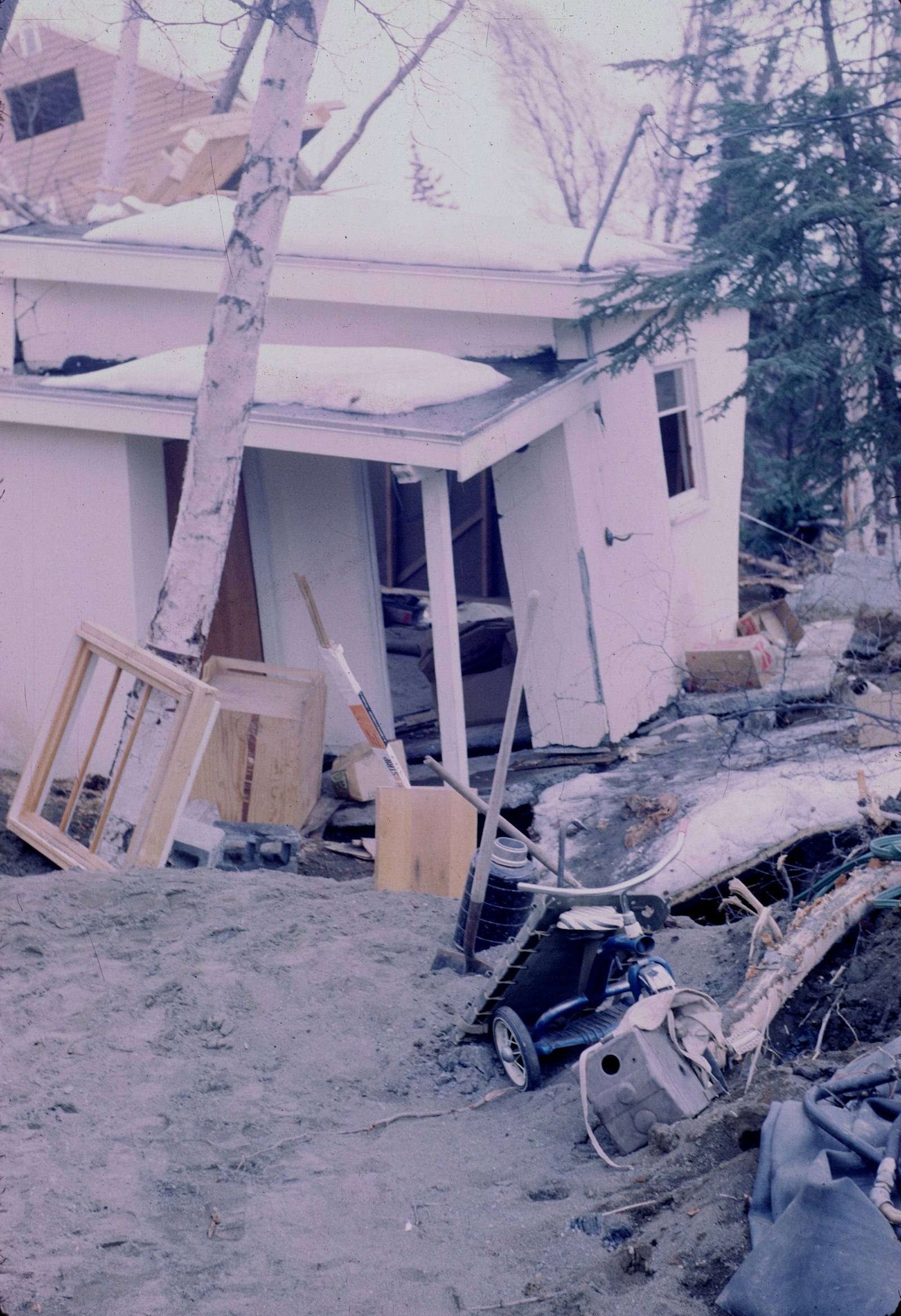
Check for gas leaks and structural damage after the shaking stops, before you go back inside
Consider seismic retrofitting — bolting your house to its foundation
Drop, cover, and hold on
The first shake often isn't the last — expect aftershocks
Keep sturdy shoes and a flashlight next to your bed
Know how to shut off your gas line
Practice drop, cover, hold on until it's automatic
Secure heavy furniture to the wall
Keep some supplies stored outside the house, not just inside it
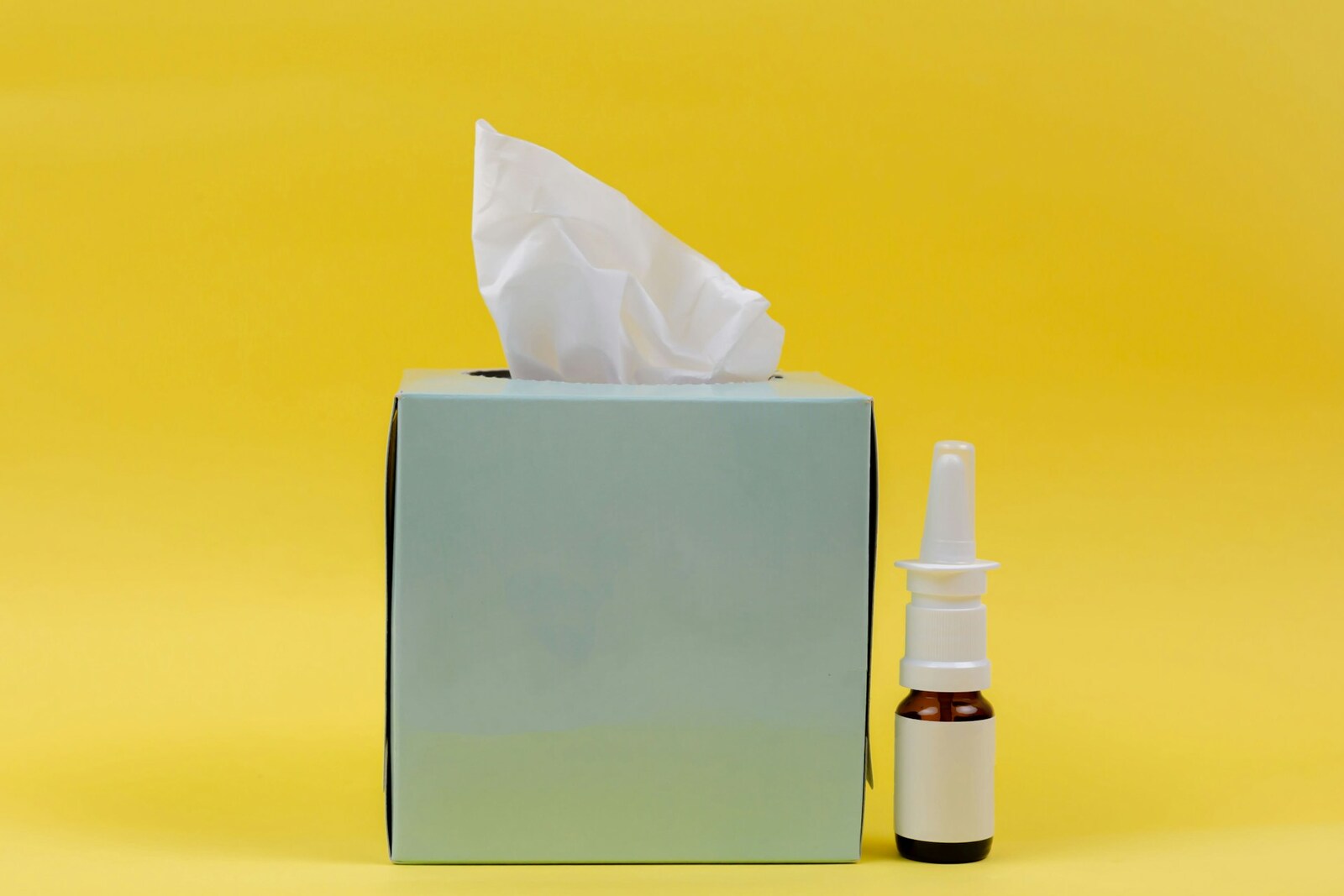
Disinfect shared surfaces, not just wash your hands
Get vaccinated before the season peaks, not during it
Know your backup plan for when the caregiver gets sick too
Improve indoor ventilation during flu season, not just when someone's sick
Have a plan to isolate a sick household member, not just treat them
Know which symptoms mean you should actually see a doctor
Know when to actually stay home
Know which other vaccines matter for your household, not just the flu shot
Know your workplace or school's sick-leave and remote-work policy before you need it
Stock up before peak illness season, not during it
Assign clear management ownership for cybersecurity risk, not just IT
Document your security measures — "we do it" isn't enough without proof
Know if NIS2 applies to your business before a regulator tells you
Know whether you'd be classed "essential" or "important" — it changes what applies
Know your incident reporting deadline before you need it
Know which national authority actually enforces NIS2 for you
Map your supply chain — accountability doesn't stop at your own systems
Review your cyber insurance coverage against what NIS2 actually requires
Actually test your incident response plan, not just write it