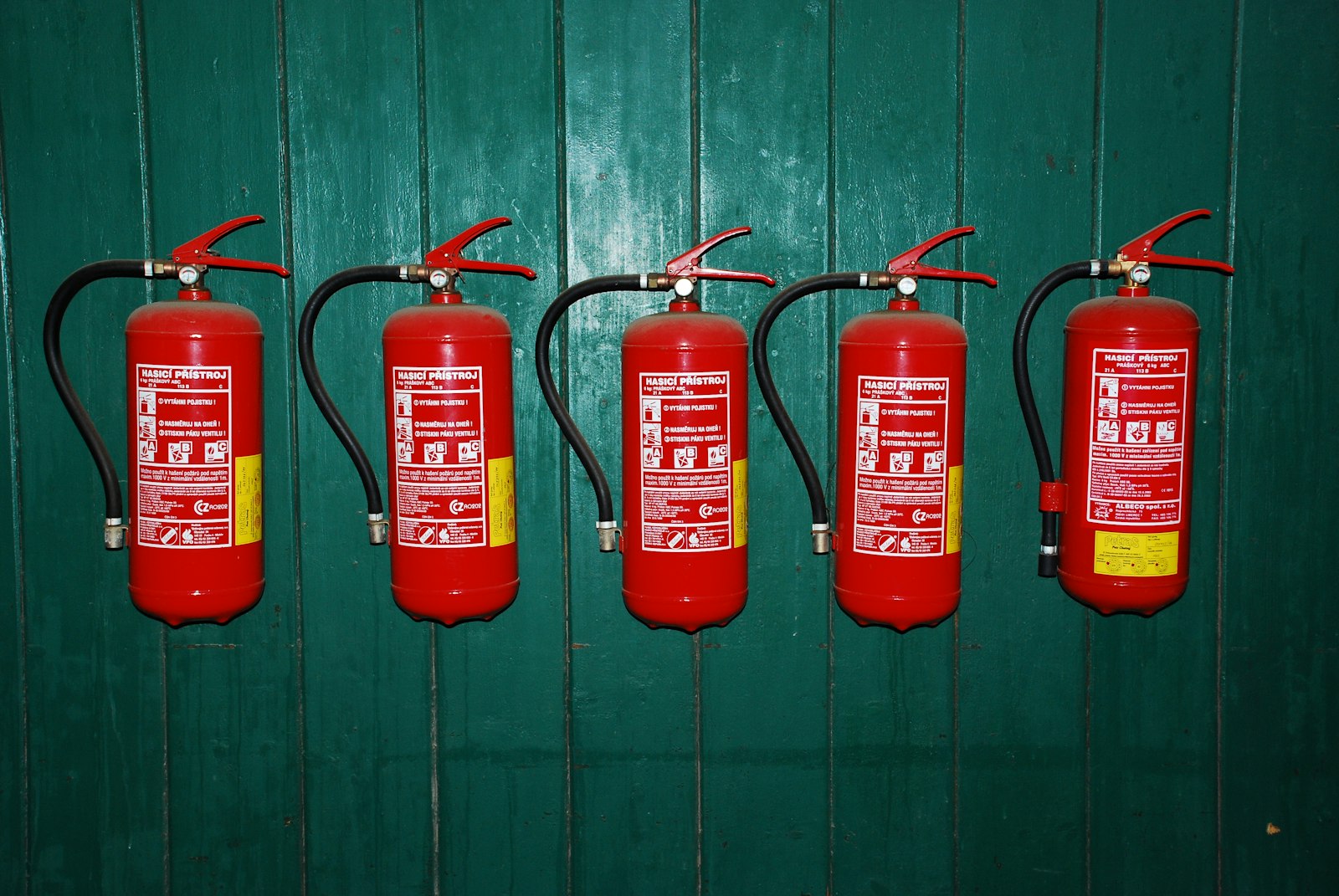
Training, for companies.
Practical emergency-preparedness training for your team — on-site or remote. Built around what actually happens during a disruption at work: evacuation, first response, communication when normal channels are down, and keeping people calm and organized until help arrives or normal operations resume.
What's covered
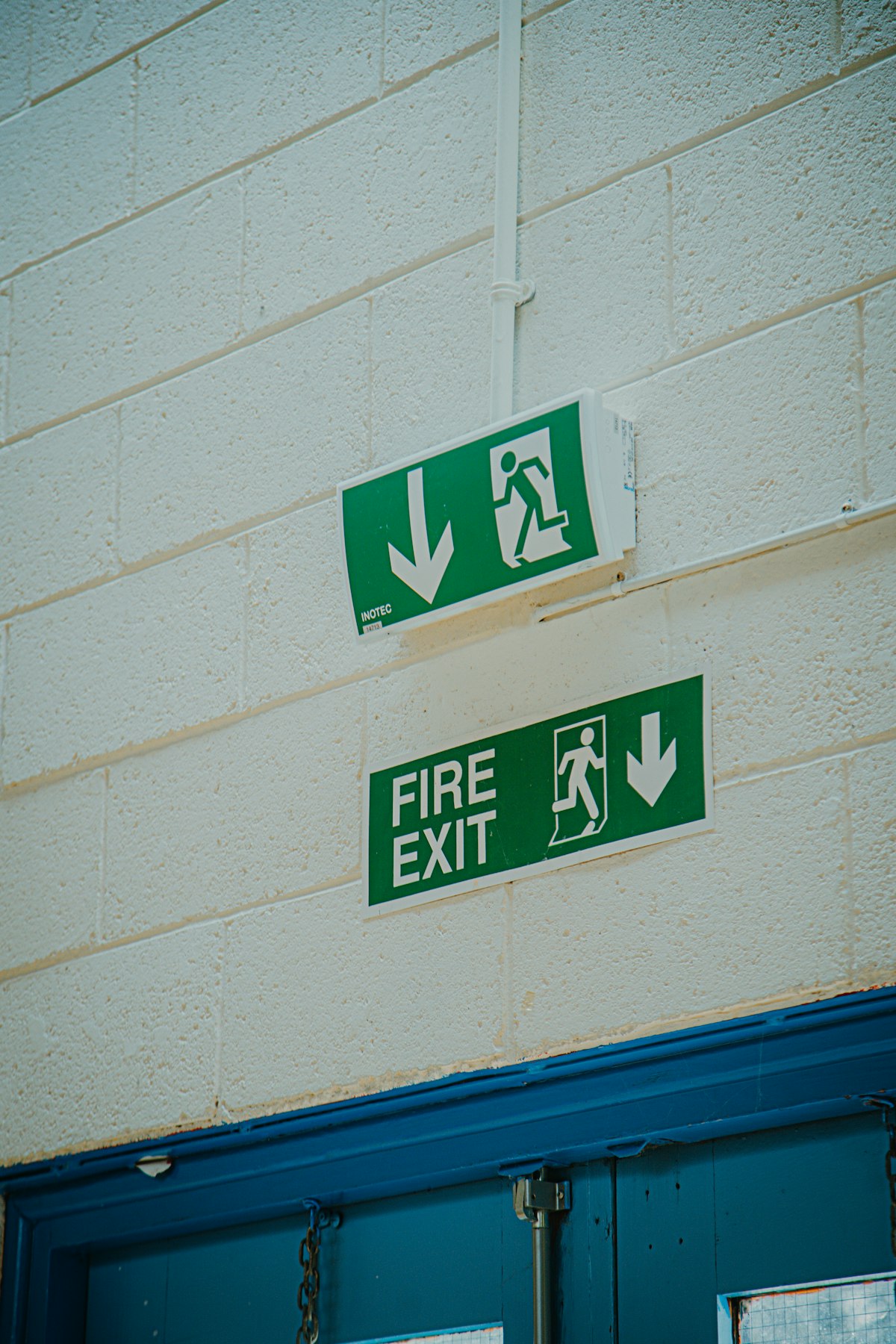
Workplace emergency response
Evacuation planning, assembly points, headcount procedures, and the first ten minutes after something goes wrong.
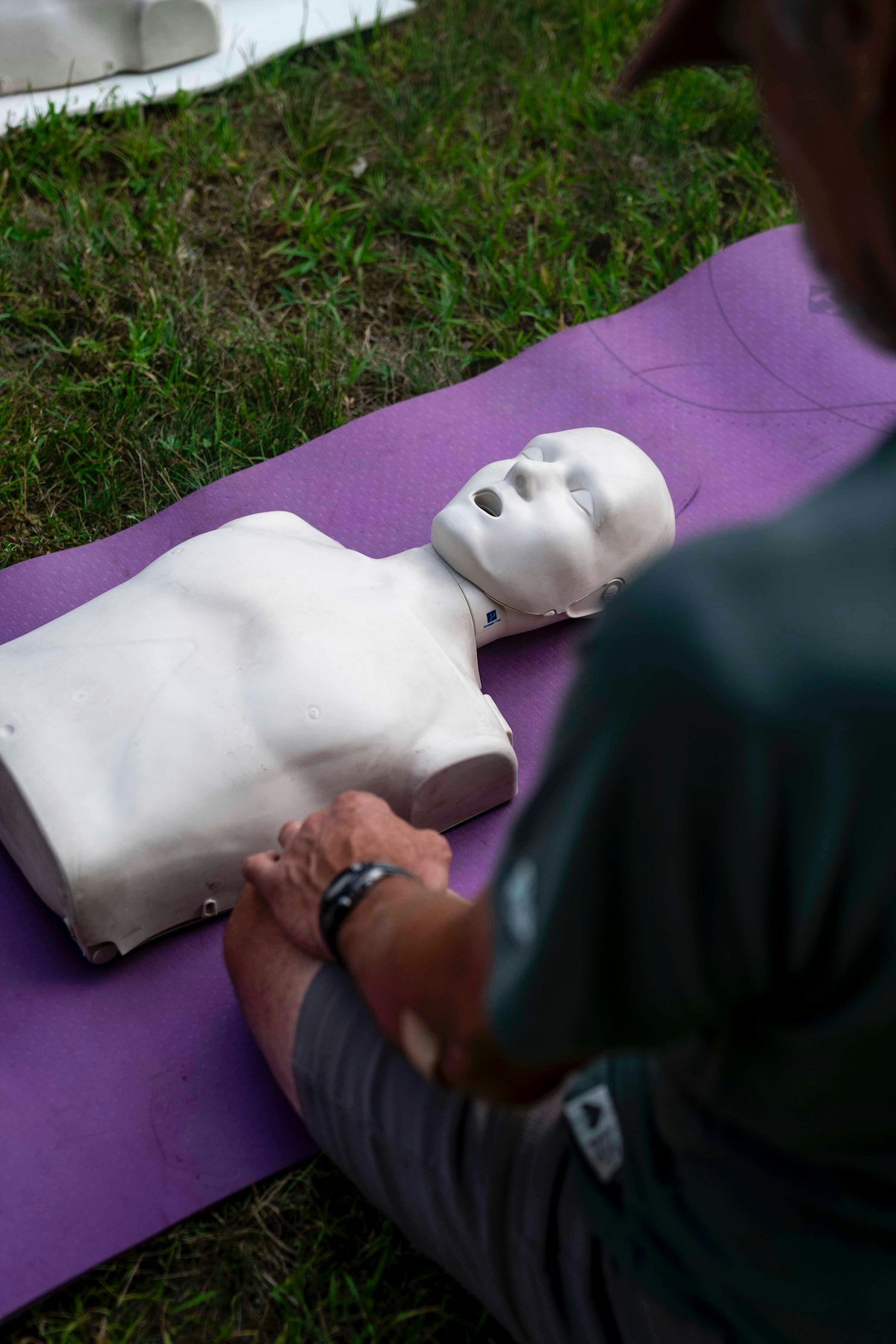
First aid & basic triage
Hands-on, not slides — what to actually do before professional help arrives.
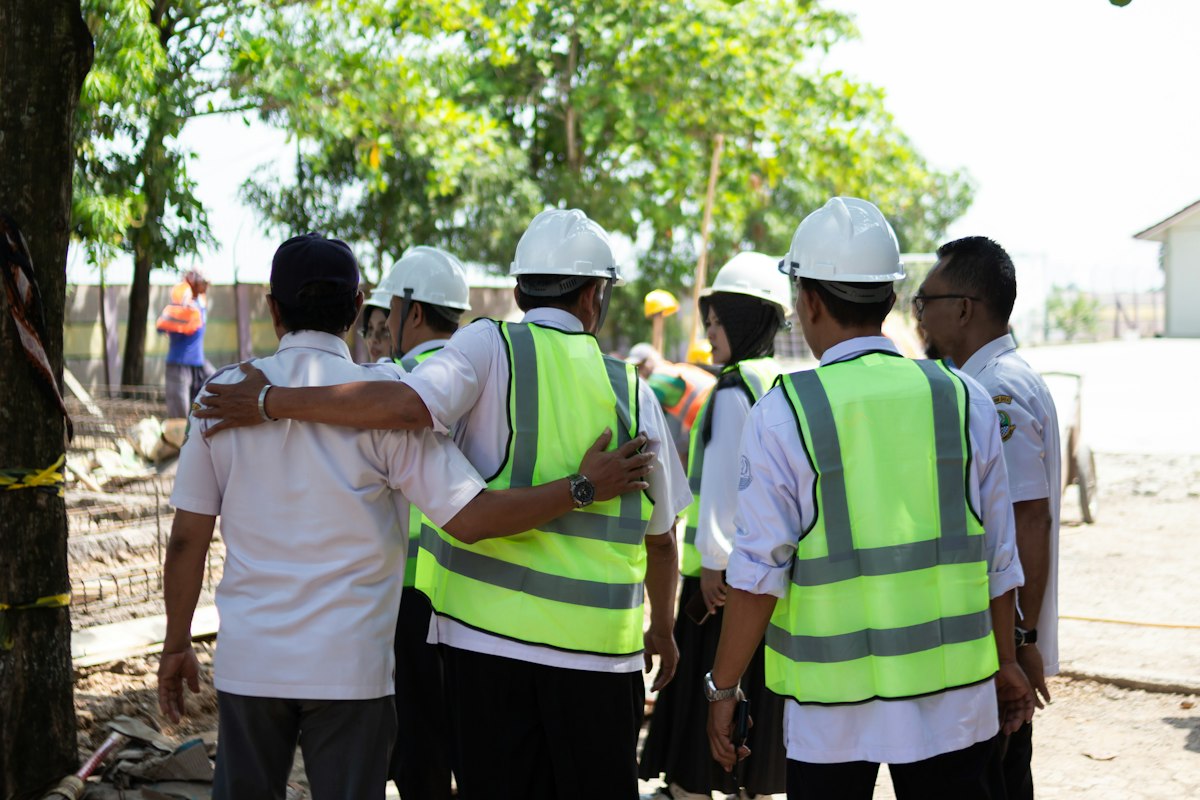
Communication under disruption
What to do when phones, internet, or normal chains of command aren't available.
Business continuity basics
A practical starting point for keeping critical operations running through a disruption — not a compliance checkbox exercise.

Team-building through scenario challenges
Small-group survival tasks and timed problem-solving under real constraints — not a rope course. Teams leave with both a stronger working dynamic and skills that transfer to an actual emergency.
Tabletop exercises
A tabletop exercise is a guided, discussion-based rehearsal of a crisis. A facilitator walks your team through a realistic scenario and adds new developments on a timeline; the people who would have to respond talk through what they would do, who decides, and what they would say. Nothing is switched off — the aim is to find the gaps in plans, roles and communication before a real incident does.

NIS2 & compliance
Rehearse the obligations NIS2 puts on essential and important entities: incident handling, business continuity, supply-chain security, and the 24-hour, 72-hour and one-month reporting clocks.

Cybersecurity risks & crisis
Ransomware, account takeover, a compromised supplier, a data leak: containment decisions, restore priorities, and what to tell customers, staff and the press.

Natural disasters
Earthquake, flood, wildfire, winter storm or a long power cut: evacuation and headcount, keeping critical operations running, and reaching people when the usual channels are down.
How a session runs
- Scope — we agree the scenario, the objectives and who takes part, from your real plans and risks.
- The exercise — two to four hours; the scenario unfolds through timed injects while your team decides and records each decision.
- Hot debrief — straight after: what worked, what didn't, where plans and reality diverged.
- After-action report — the findings in writing, each improvement with an owner and a date; for NIS2, the evidence that the measures were exercised.
Format
Half-day or full-day sessions, on-site at your offices or remote for distributed teams. Group size and content are scoped to your team — retail, office, or field staff need different things, and the session reflects that.